ART + HISTORY
Here it’s polite to stare
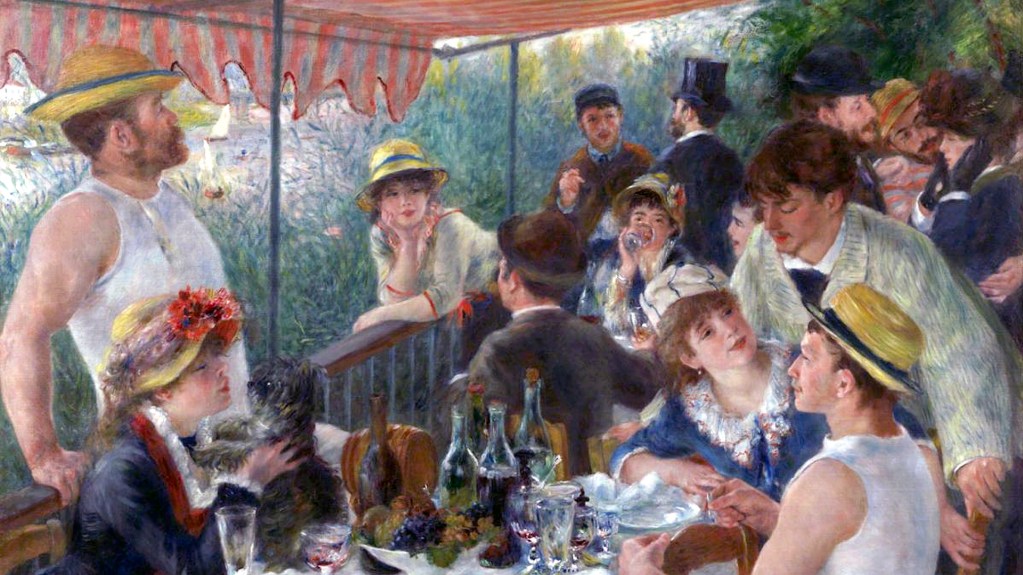
When we look closely at a work of art, we take with us something we didn’t have before. We bring with us the artist’s way of looking at the world. Why is this valuable? Because it expands our appreciation for the beauty and diversity of human experience. I hope you enjoy The Shy Museumgoer – named one of the “25 best art history blogs and websites to follow in 2026.” You keep reading, I’ll keep writing.
-
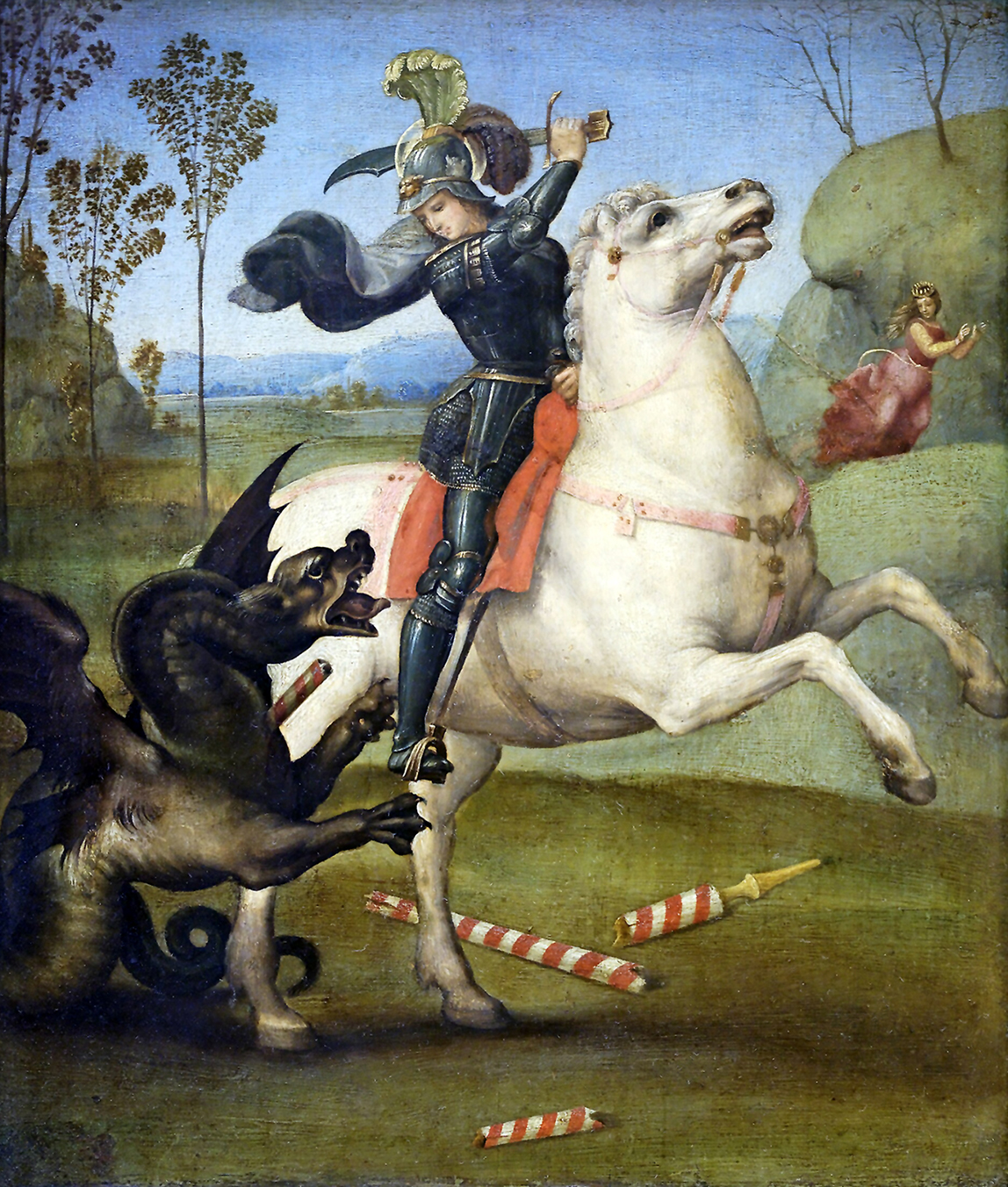
St. George’s shapeshifting dragon
Think you know Saint George? Discover how three great artists turned the legend of Saint George and the Dragon into a masterclass in human psychology.
-
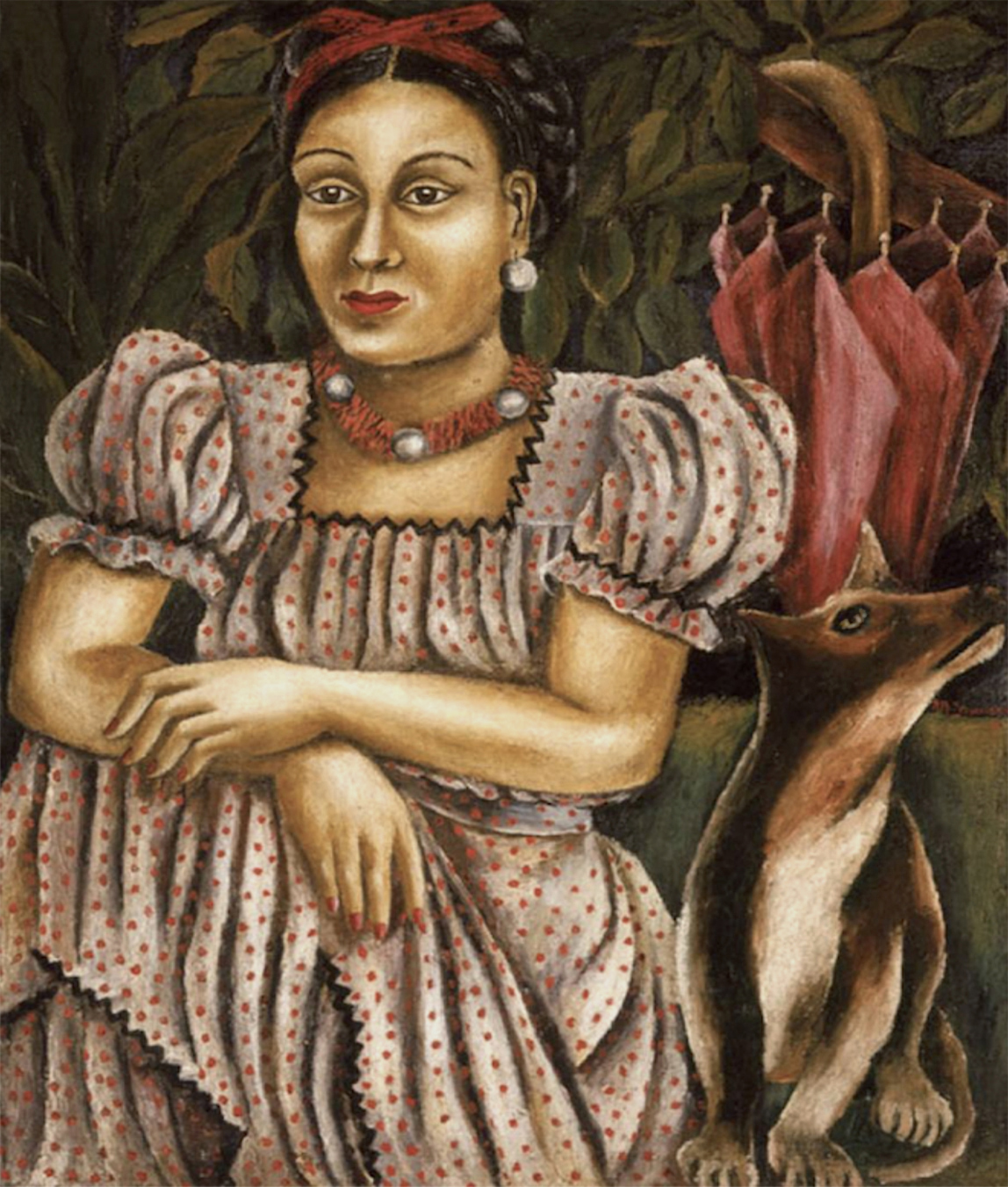
María Izquierdo remembers it all
Meet the indomitable artist whose deeply personal paintings quietly challenged Mexico’s loud, male-dominated art scene with imagination and humor.
-
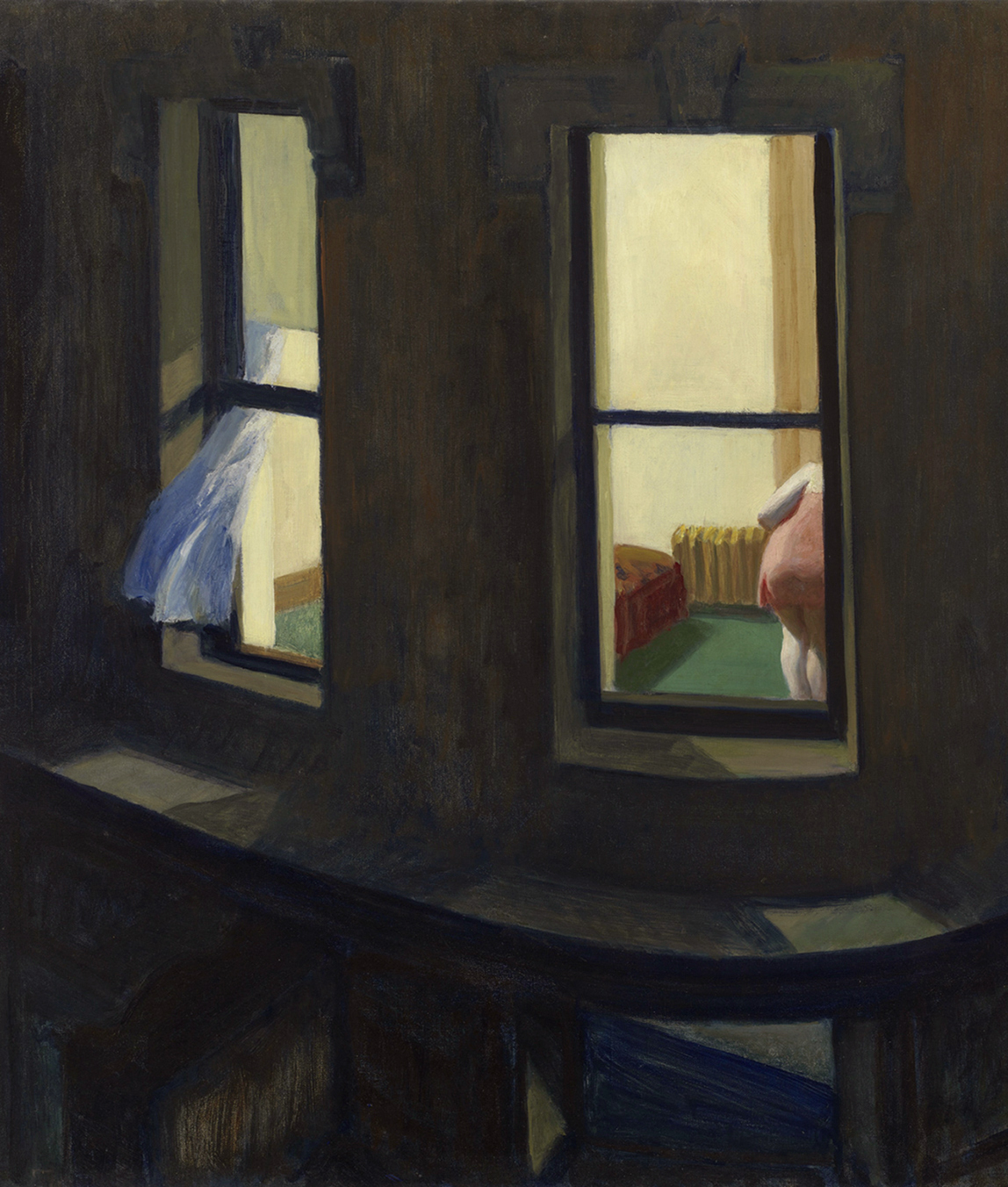
Nocturnes: Unveiling the night
From Turner’s moonlit vistas to Hopper’s voyeuristic windows, night scenes offer the ultimate canvas for mood, mystery, and quiet moments of candid honesty.
-
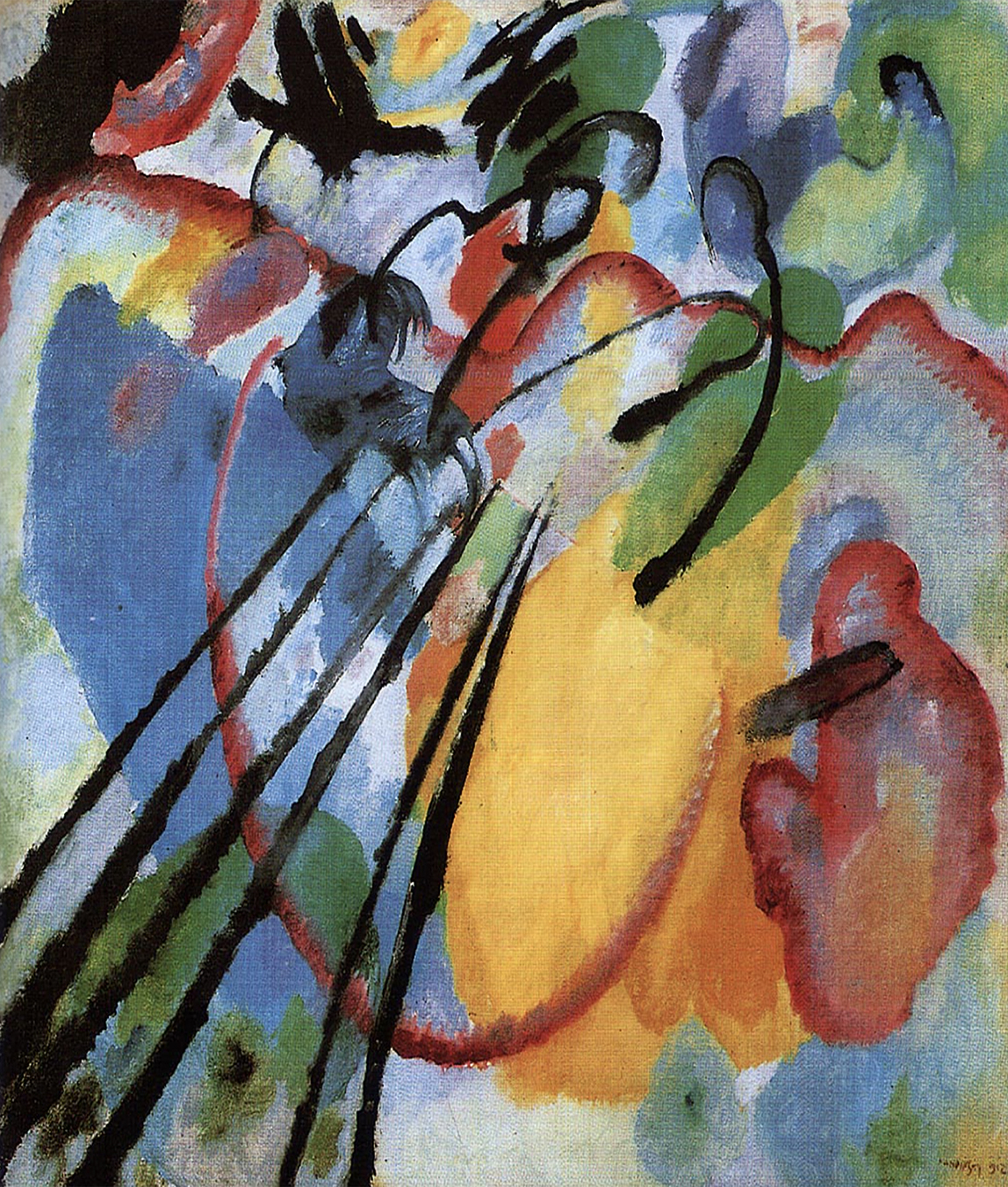
When Kandinsky moved mountains
In the midst of spiritual and political turmoil, Kandinsky found an unexpected lifeline. See how classical music inspired his rule-breaking leap into abstract art.
-
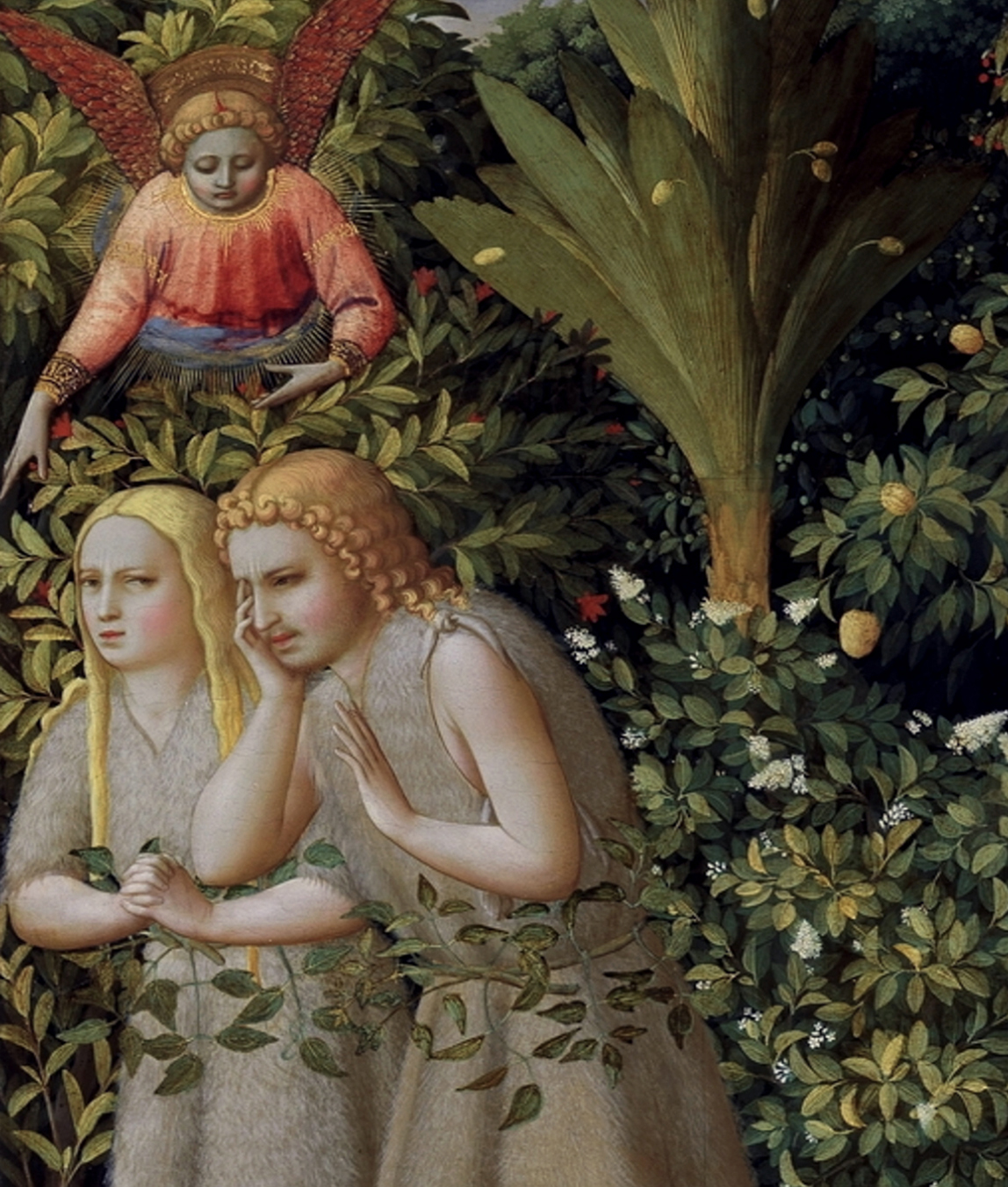
Fra Angelico: The devil is in the details
Centuries ago, Fra Angelico pioneered emotional interiority in art, channeling the inner feelings of his religious figures straight to the viewer.
-

Toulouse-Lautrec at the blue cabaret
Henri de Toulouse-Lautrec immortalized the glamorous Belle Époque in Paris. Yet, many of his paintings reveal a profound empathy for his fellow outsiders.
-
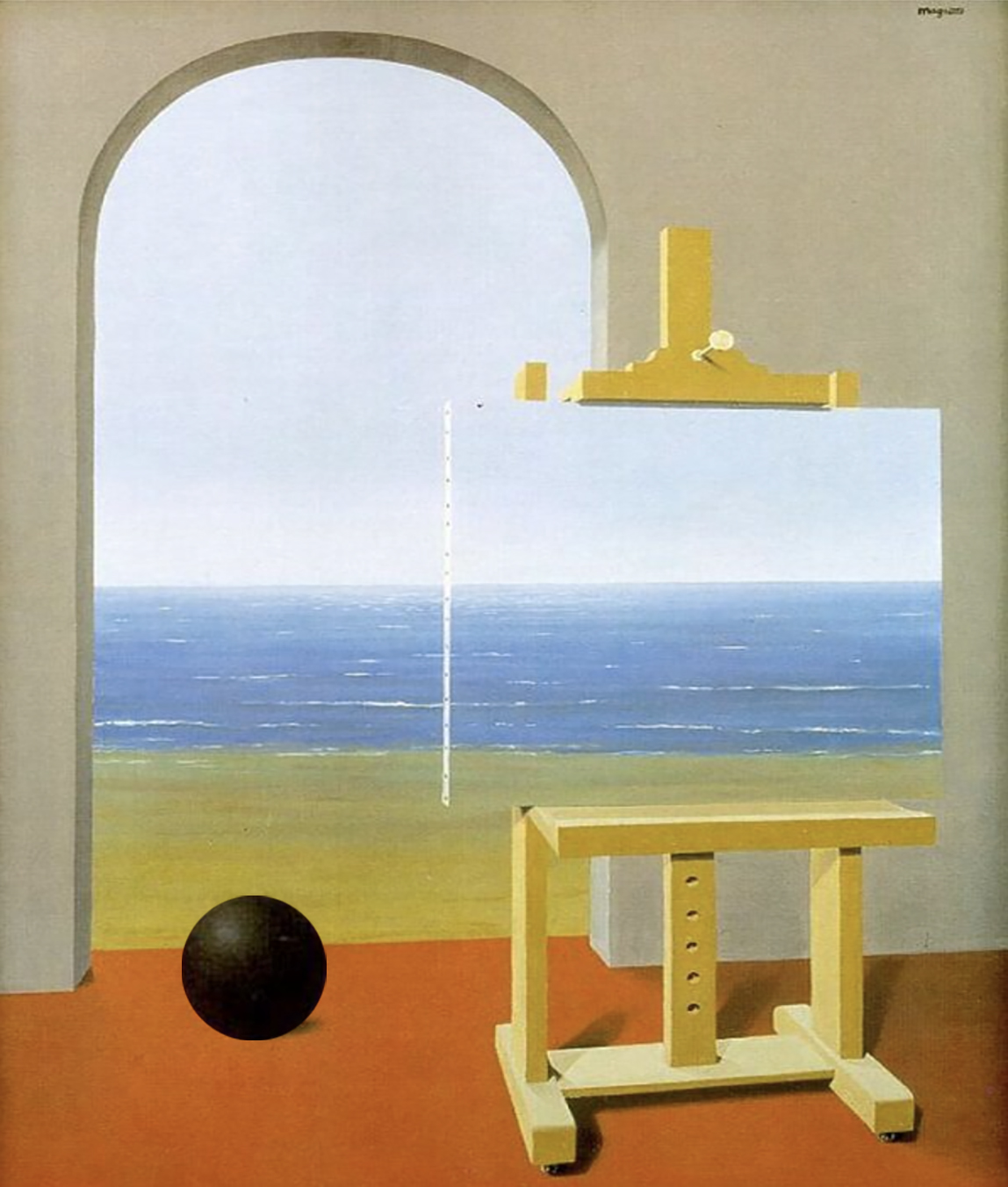
René Magritte’s unthinkable thoughts
In the aftermath of World War I, Magritte turned his back on academic history painting. Instead, he portrayed life’s ambiguities in witty, thought-provoking ways.
-
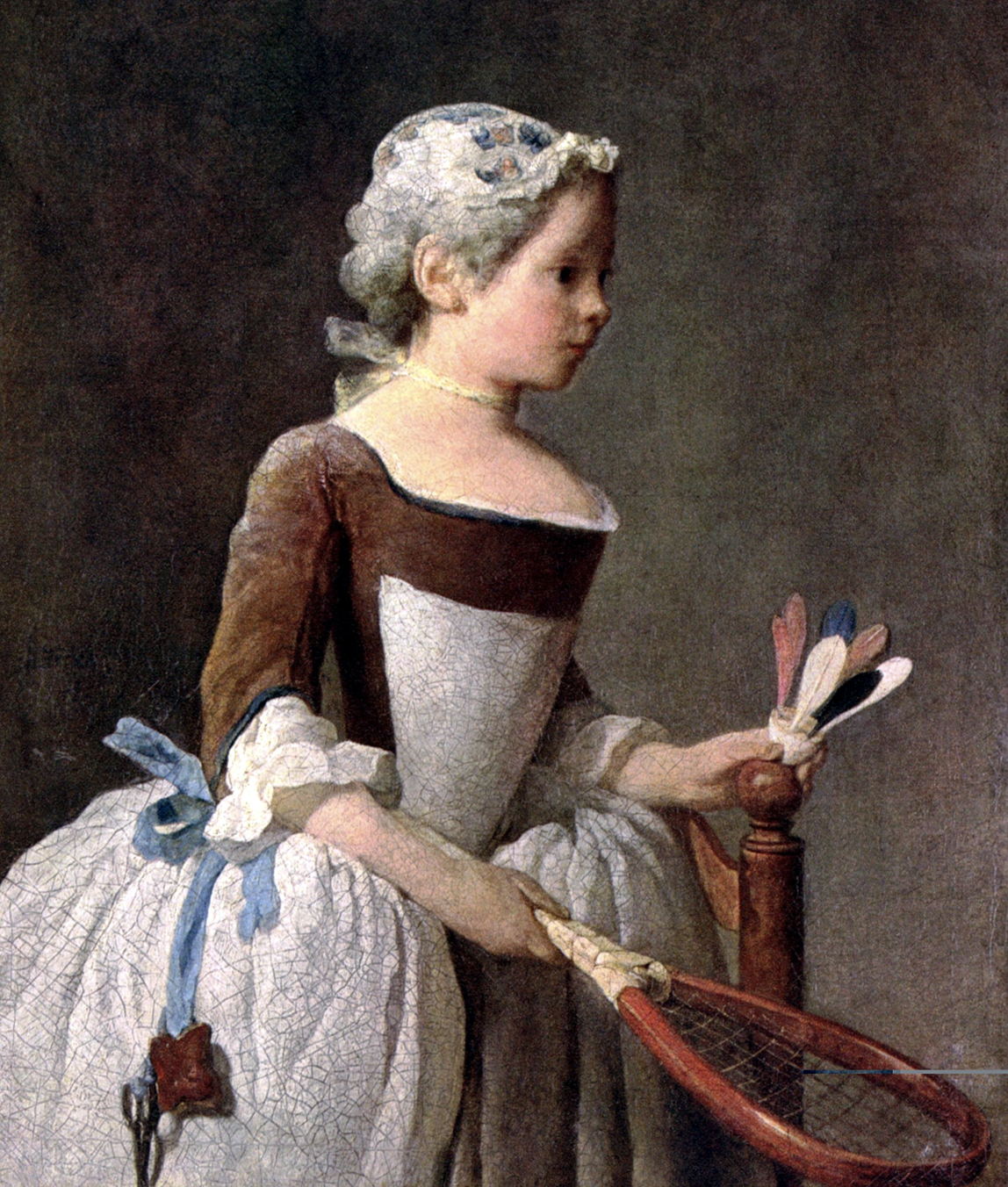
Chardin: The great painter of childhood
Jean Siméon Chardin captured the magic of childhood by turning quiet moments into paintings that embody the spirit of the Enlightenment.
-

The baffling paintings of Paul Cézanne
I’m at odds with historians who call Cézanne’s paintings “emotionally detached” or “famously silent.” To my eye, nothing could be further from the truth.