ART + HISTORY
Here it’s polite to stare
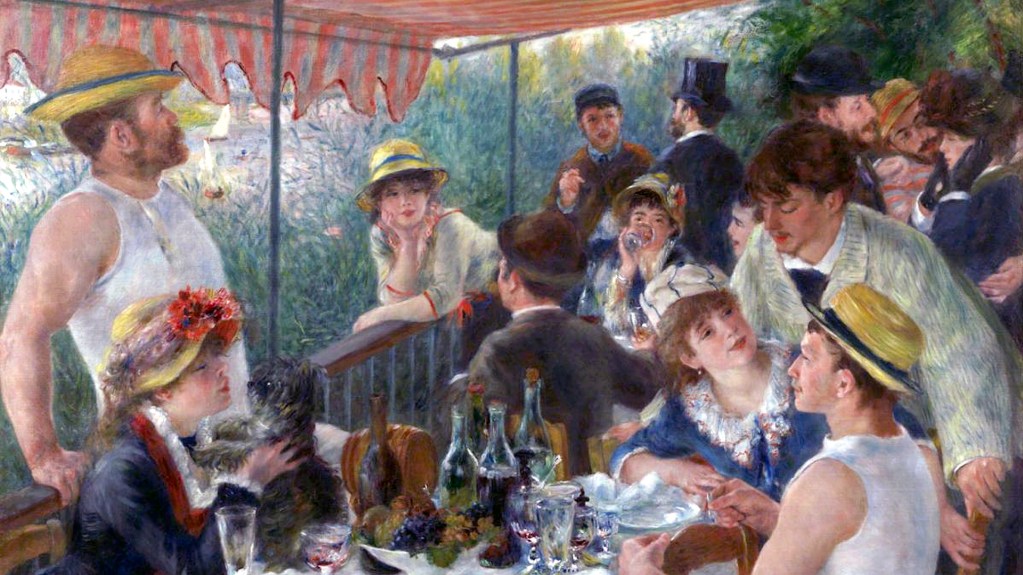
When we look closely at a work of art, we take with us something we didn’t have before. We bring with us the artist’s way of looking at the world. Why is this valuable? Because it expands our appreciation for the beauty and diversity of human experience. I hope you enjoy The Shy Museumgoer – named one of the “25 best art history blogs and websites to follow in 2026.” You keep reading, I’ll keep writing.
-

Art history’s marvelous moon dance
Explore the otherworldly art of Miró and Warhol, from starry skies to the lunar terrain. Then, uncover the secret mini-museum smuggled onto the moon.
-
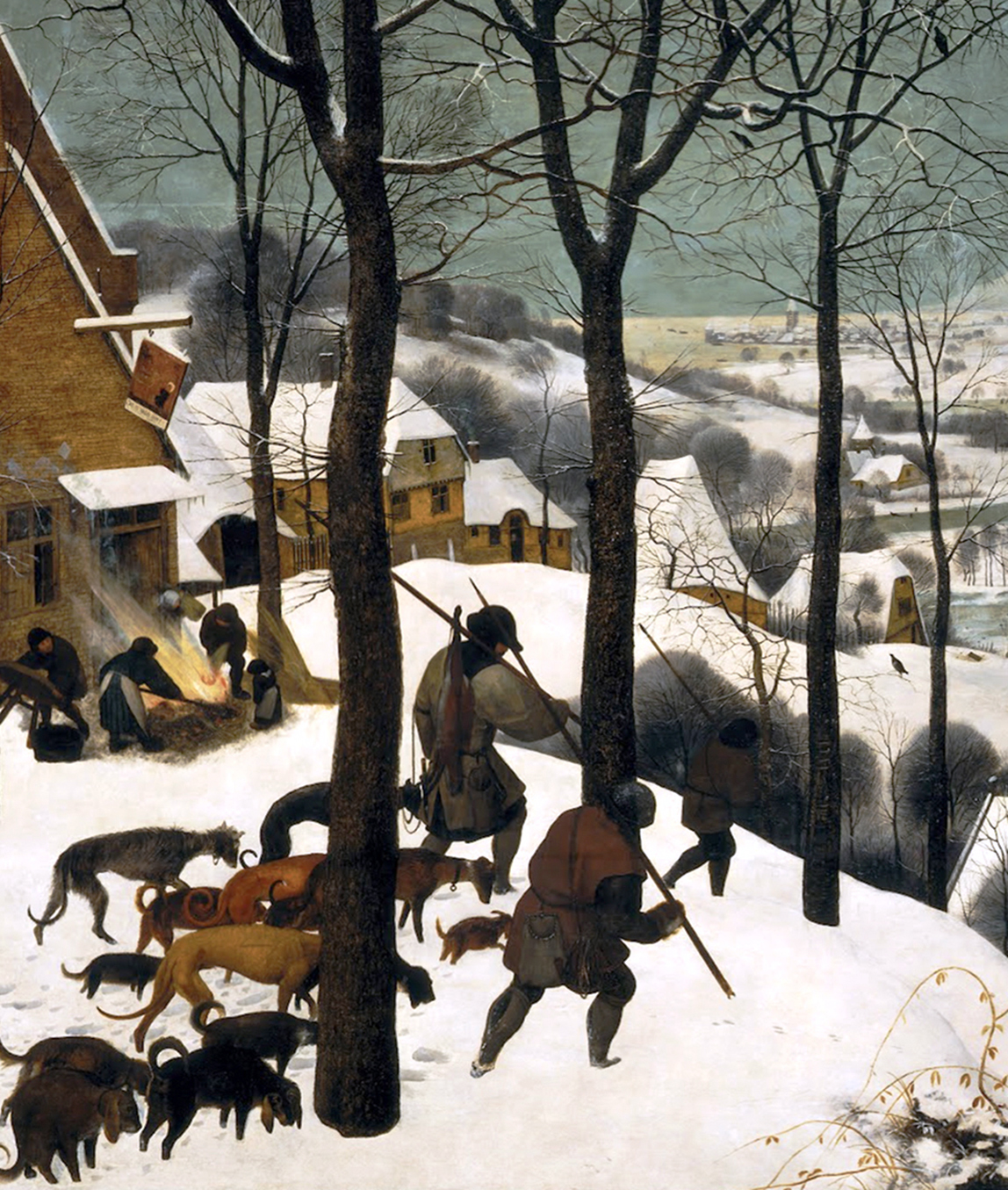
The dog stays in the picture
Is a dog ever “just a dog” in an Old Master painting? The Greek philosopher Diogenes said dogs provide an honest bark of truth—and I think he’s onto something.
-

The Tōkaidō Road through her eyes
See how the women in Hiroshige’s landscapes, from traveling musicians to ill-fated courtesans, shaped the culture along Japan’s legendary Tōkaidō Road.
-
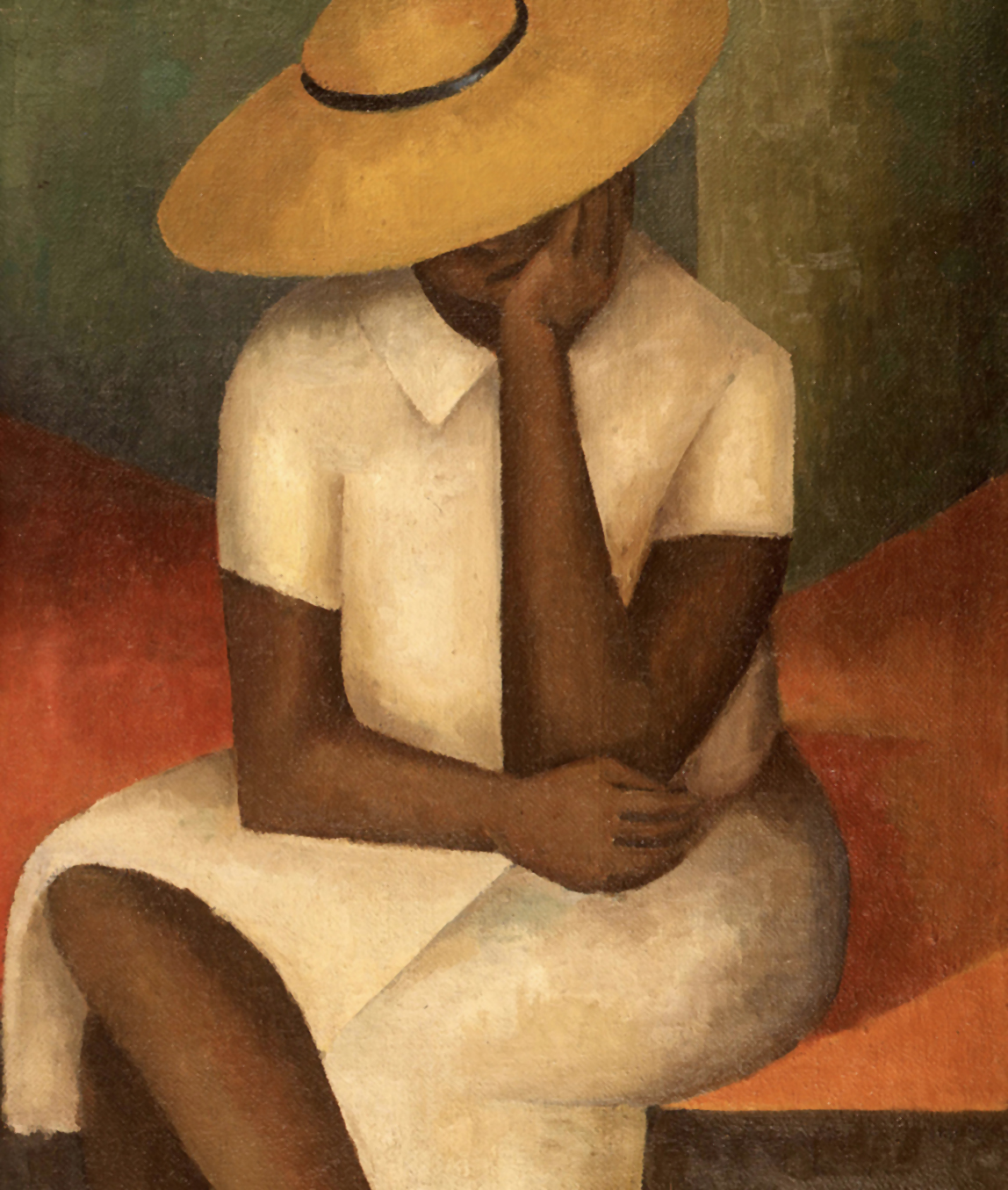
Why isn’t Norman Lewis famous?
Abstract Expressionism—America’s first global art movement—promised limitless artistic freedom. But for whom? How many Black Abstract Expressionists can you name?
-

Matisse and that cursed armchair
To cope with chronic anxiety, Matisse chose to paint tranquility over turmoil. Did prioritizing his emotional well-being hurt his reputation as a major artist?
-

Stuart Davis was hip to the jive
Can a painter take the same passionate risks as a jazz musician? And can a jazz band translate the lines of a painting into sound? Let’s compare notes.
-

Sheeler, Rivera, and the art of industry
Charles Sheeler and Diego Rivera both depicted Henry Ford’s pioneering River Rouge factory. Do their artworks exalt machine efficiency? Or warn us about living in a tech-driven society?
-

Who cancelled Berthe Morisot?
Morisot’s contribution to Impressionism has long been overshadowed by her male colleagues. Here’s why this quiet innovator is finally getting the credit she deserves.
-

George Bellows: Last stop, 59th Street
The lone tenement beneath the new Queensboro Bridge looks out of place. Is it real? Or is it an architectural ghost, haunting us with memories of homes that were razed?