Category: Modern Art
-
When Kandinsky moved mountains
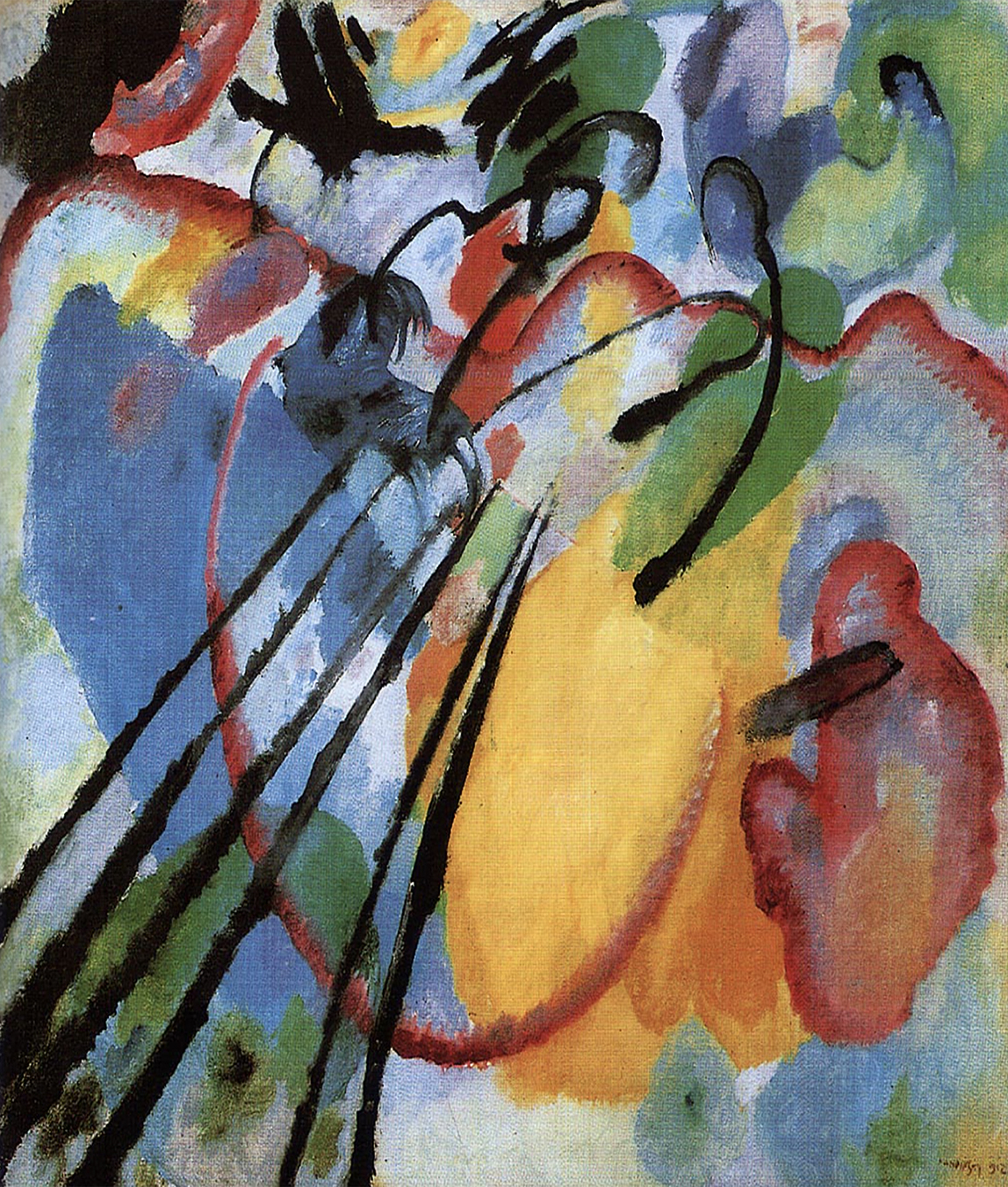
In the midst of spiritual and political turmoil, Kandinsky found an unexpected lifeline. See how classical music inspired his rule-breaking leap into abstract art.
-
René Magritte’s unthinkable thoughts
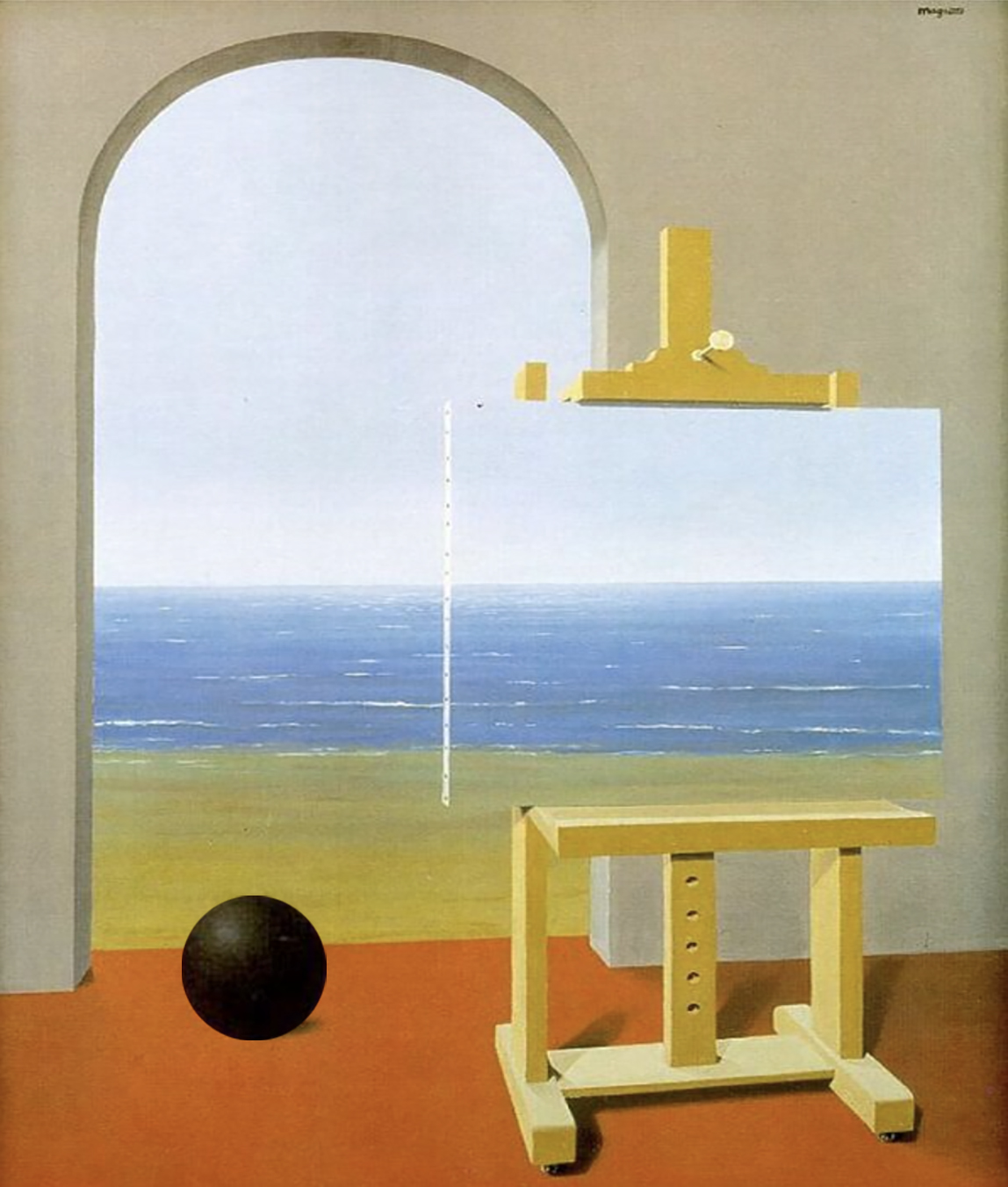
In the aftermath of World War I, Magritte turned his back on academic history painting. Instead, he portrayed life’s ambiguities in witty, thought-provoking ways.
-
The baffling paintings of Paul Cézanne

I’m at odds with historians who call Cézanne’s paintings “emotionally detached” or “famously silent.” To my eye, nothing could be further from the truth.
-
Thiebaud’s love affair with paint

Wayne Thiebaud painted cakes and freeways—two risky subjects because the art world takes itself very seriously. “There’s room for wit,” he said. “Humor gives us a sense of perspective.”
-
Jean Dubuffet’s stranger things

After WWII, Dubuffet mixed paint with whatever he could scrounge up: string, gravel, shards of glass. “Art should make us laugh a little and fear a little,” he said.
-
Art history’s marvelous moon dance
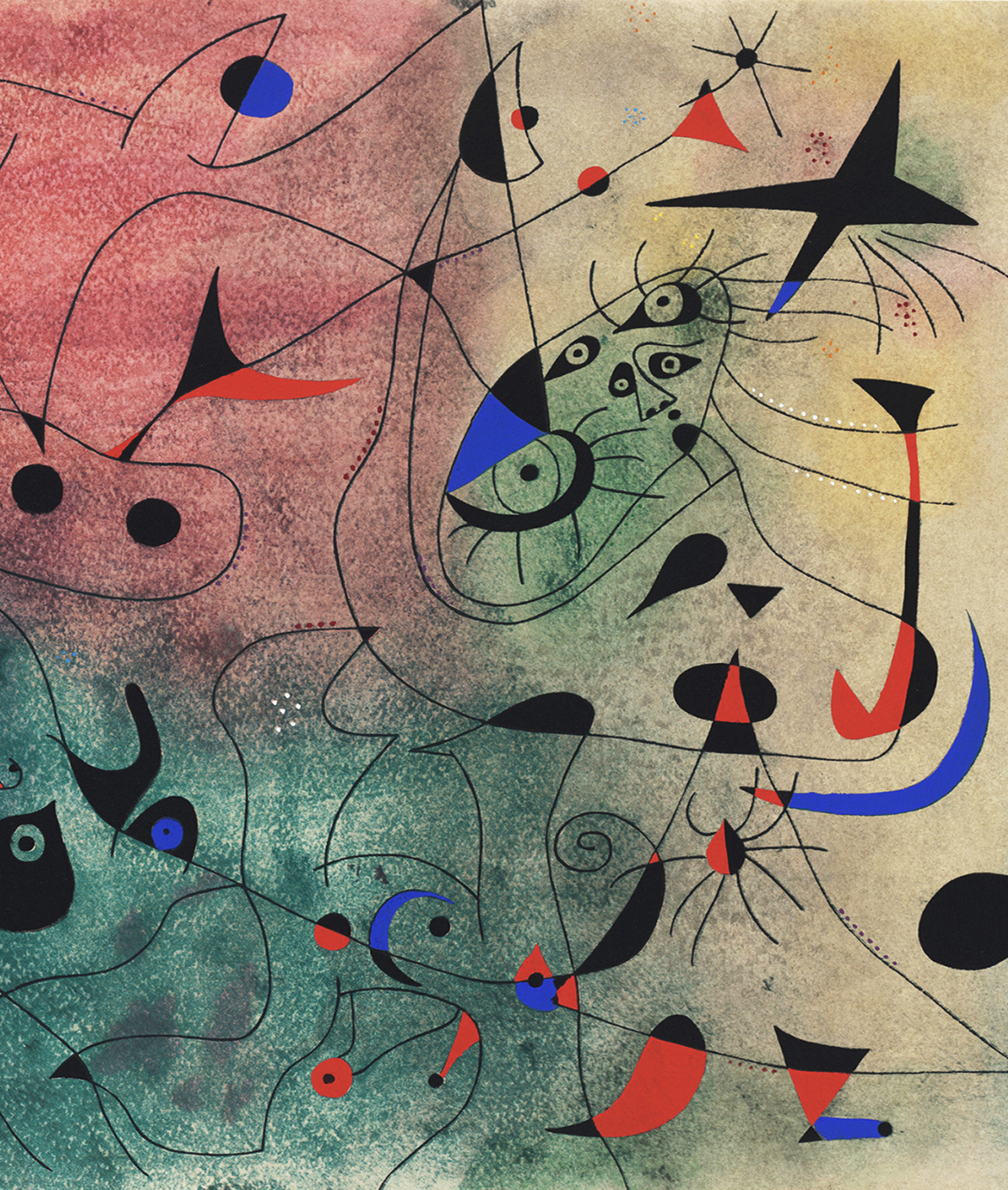
Explore the otherworldly art of Miró and Warhol, from starry skies to the lunar terrain. Then, uncover the secret mini-museum smuggled onto the moon.
-
Why isn’t Norman Lewis famous?
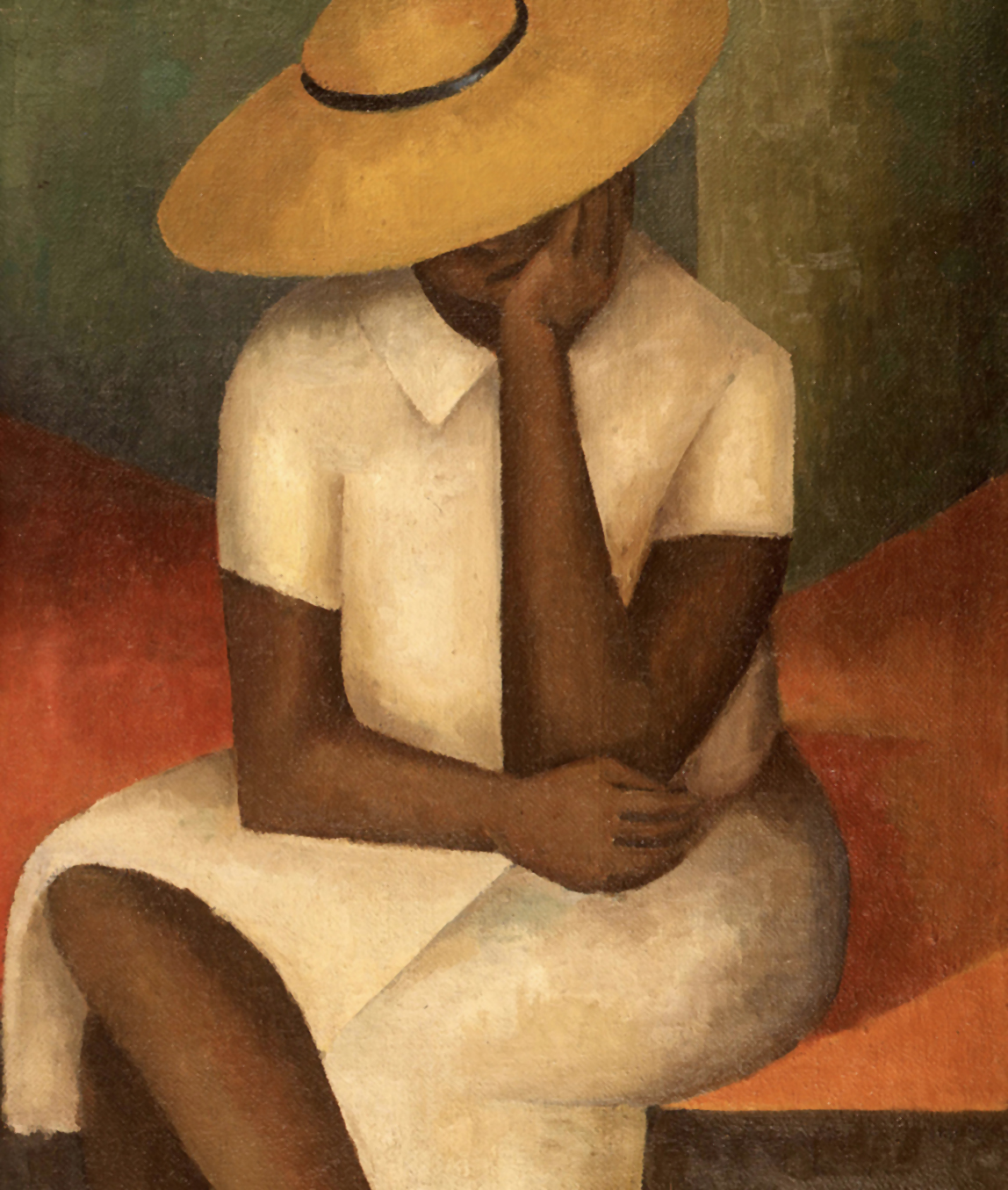
Abstract Expressionism—America’s first global art movement—promised limitless artistic freedom. But for whom? How many Black Abstract Expressionists can you name?
-
Matisse and that cursed armchair

To cope with chronic anxiety, Matisse chose to paint tranquility over turmoil. Did prioritizing his emotional well-being hurt his reputation as a major artist?