Category: Everyday Life
-
Chardin: The great painter of childhood
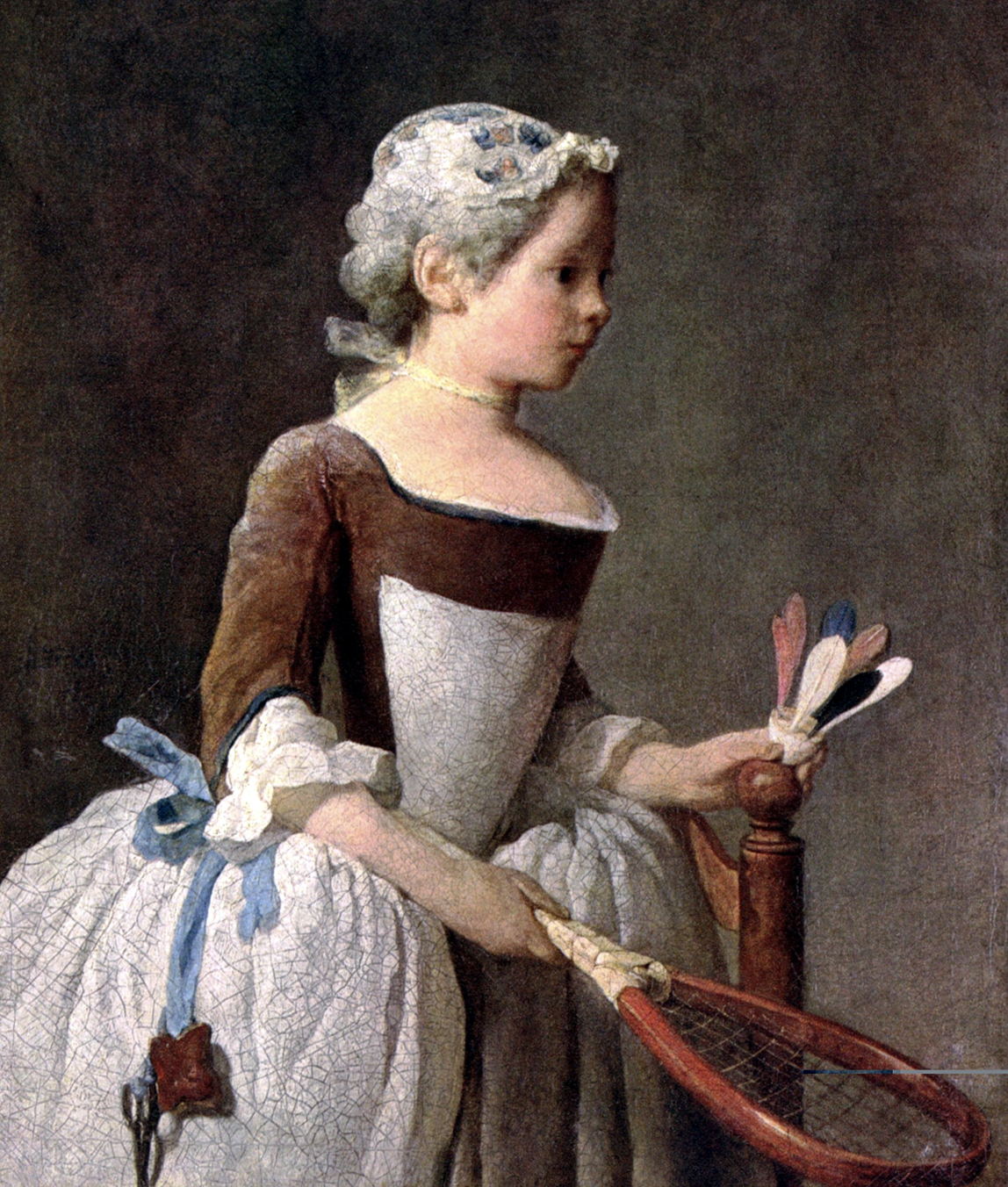
Step into these remarkable portrayals of childhood by Jean Siméon Chardin. He transforms quiet moments that slip by unnoticed into paintings that embody the spirit of the Enlightenment.
-
Rare but beautiful: The art of snow
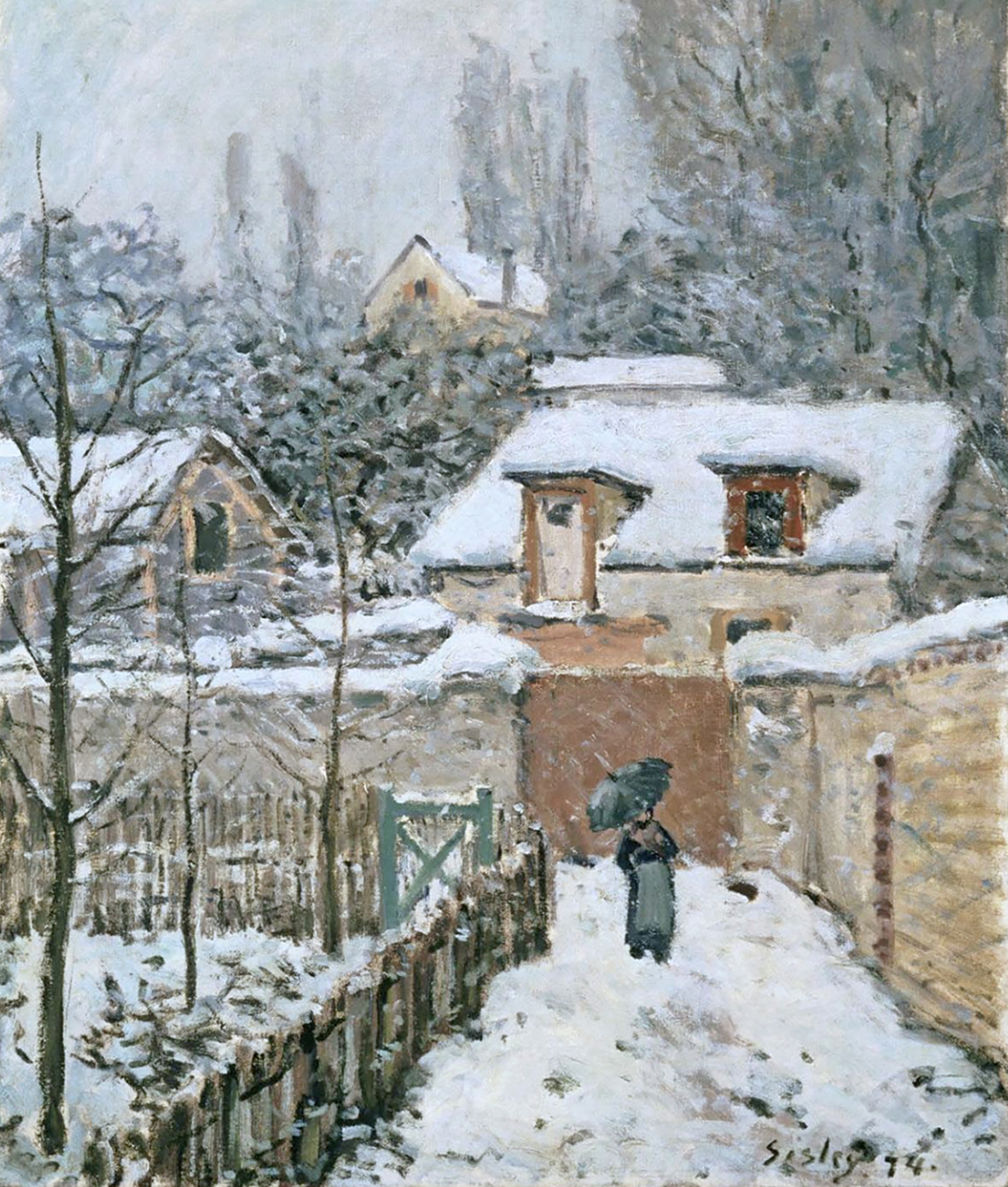
Snowflakes rarely drift through museum paintings. So I tip my warmest hat to these six artists who accepted the challenge. They transformed fleeting moments of beauty into timeless works of art.
-
Thiebaud’s love affair with paint

American artist Wayne Thiebaud paints cakes and freeways, two risky subjects because the art world takes itself very seriously. “There’s room for wit,” he said. “Humor gives us a sense of perspective.”
-
How Caillebotte saved Impressionism
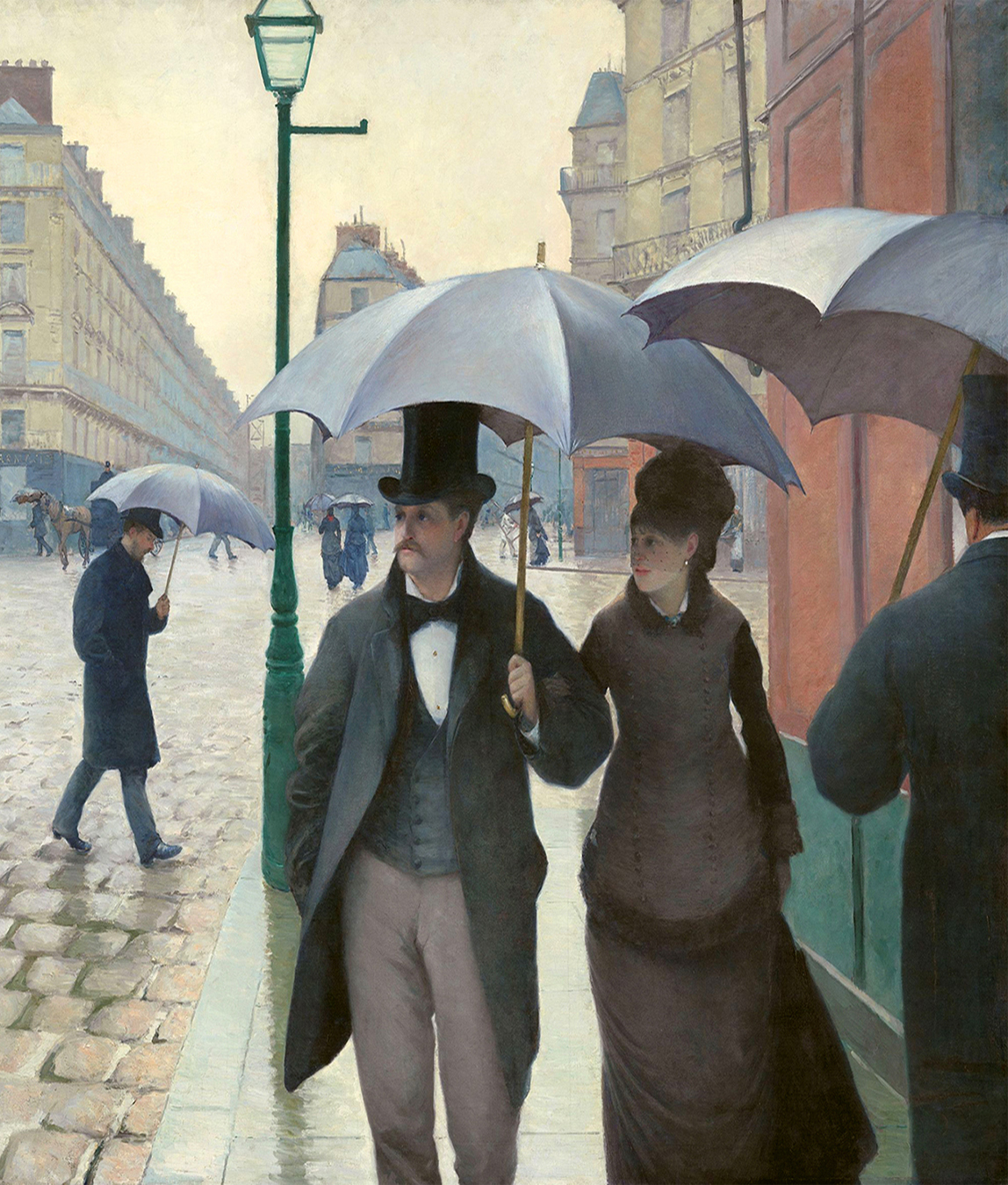
The French Impressionists were struggling. Their paintings weren’t selling, and Pissarro was exasperated with Monet and Renoir. He was ready to quit the group when a mysterious letter arrived.
-
The dog stays in the picture
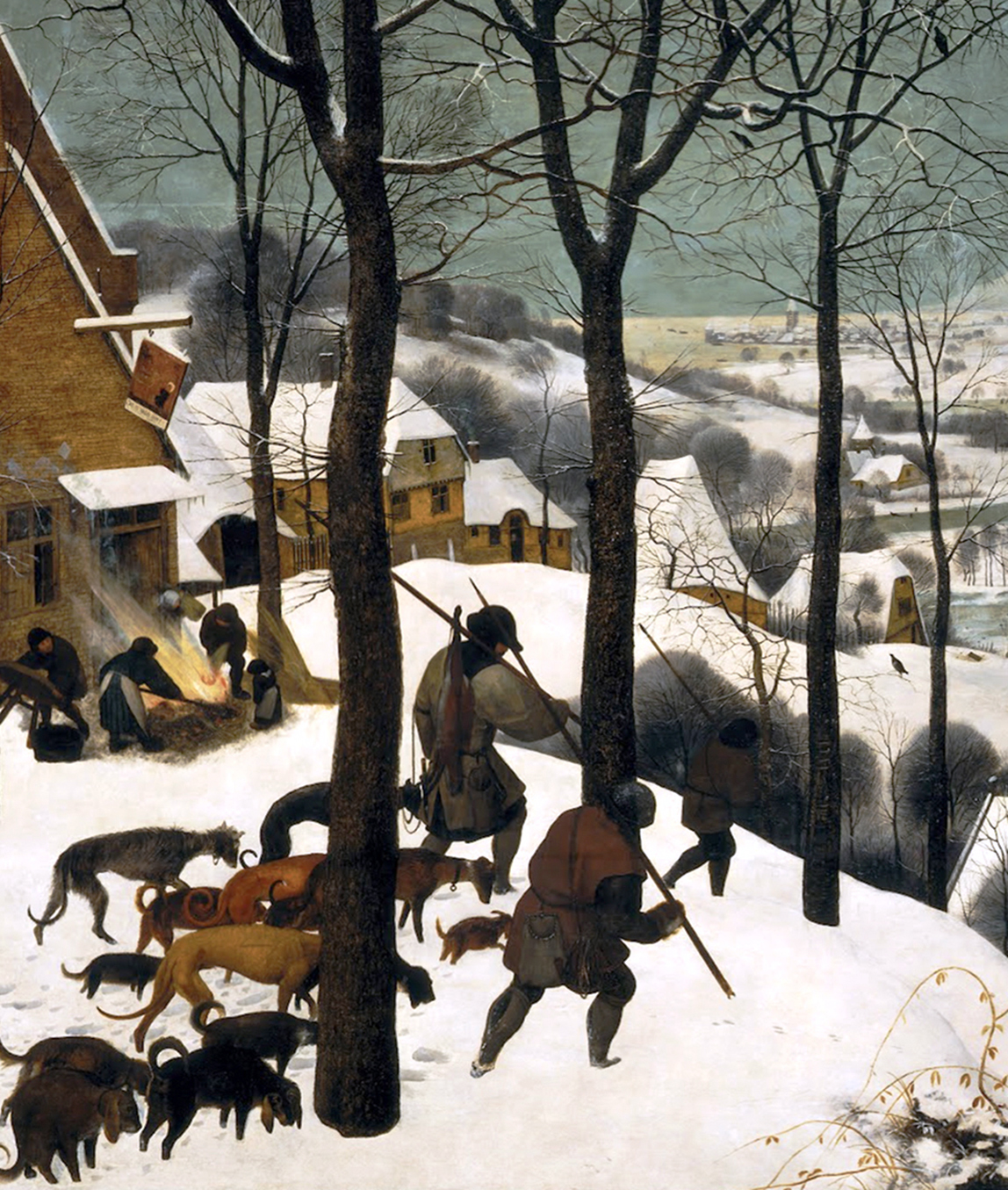
In Old Master paintings, is a dog ever more than “just a dog”? The ancient Greek philosopher Diogenes said dogs provide an honest bark of truth—and I think he’s onto something.
-
The Tōkaidō Road through her eyes

While art history primarily looks at the men of the Tōkaidō Road, I’m turning the lens on the women—from tea house hostesses and traveling musicians to the ill-fated courtesans of Hiroshige’s legendary prints.
-
Who cancelled Berthe Morisot?
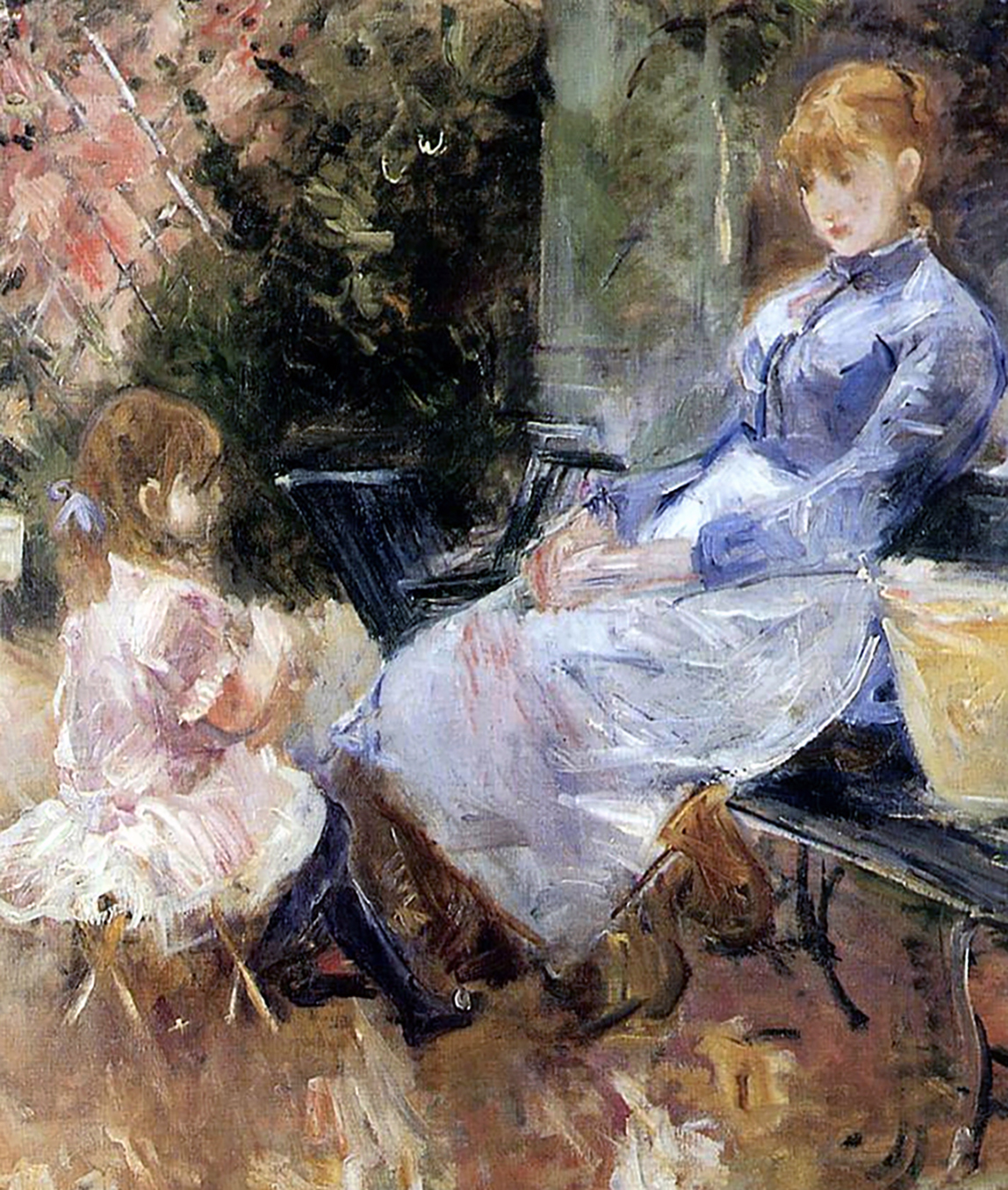
An Impressionist master hidden in plain sight. After decades on the margins of male-dominated art history, Berthe Morisot is finally getting the recognition she truly deserves.
-
Pissarro’s unforgettable conversation

As the Prussian Army marched toward Paris, Camille Pissarro captured a fleeting moment of peace in “The Conversation, Louveciennes”—unaware that enemy soldiers would soon occupy his home.