ART + HISTORY
Here it’s polite to stare
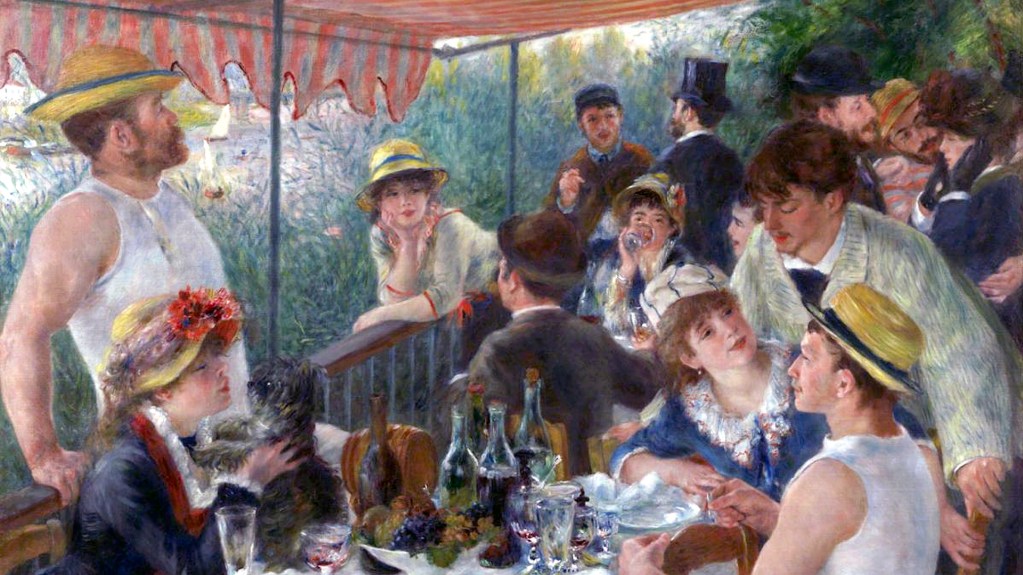
When we look closely at a work of art, we take with us something we didn’t have before. We bring with us the artist’s way of looking at the world. Why is this valuable? Because it expands our appreciation for the beauty and diversity of human experience. I hope you enjoy The Shy Museumgoer – named one of the “25 best art history blogs and websites to follow in 2026.” You keep reading, I’ll keep writing.
-
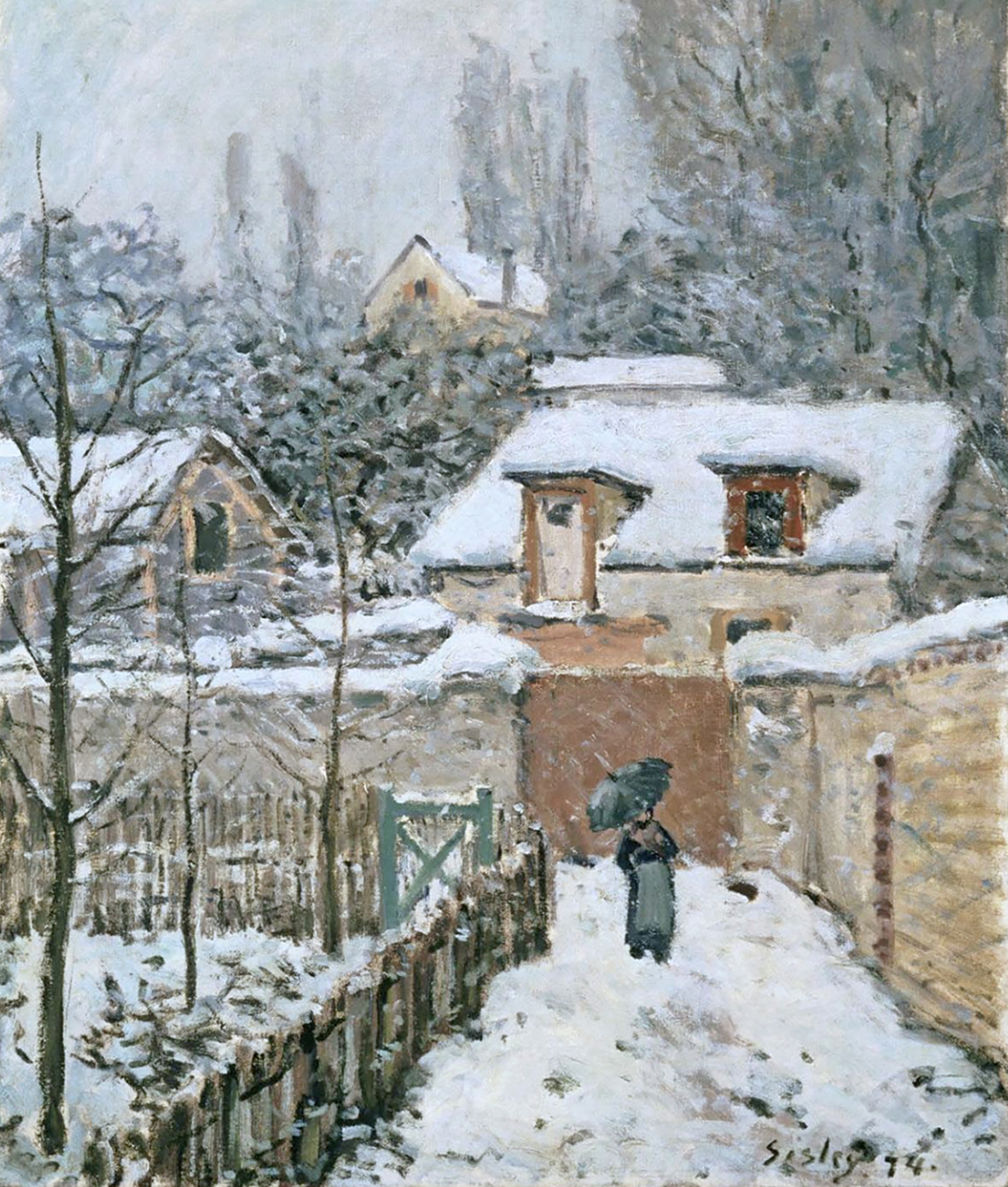
Rare but beautiful: The art of snow
Snowflakes rarely swirl through paintings, so I tip my winter hat to artists who turned fleeting moments of beauty into timeless masterpieces.
-
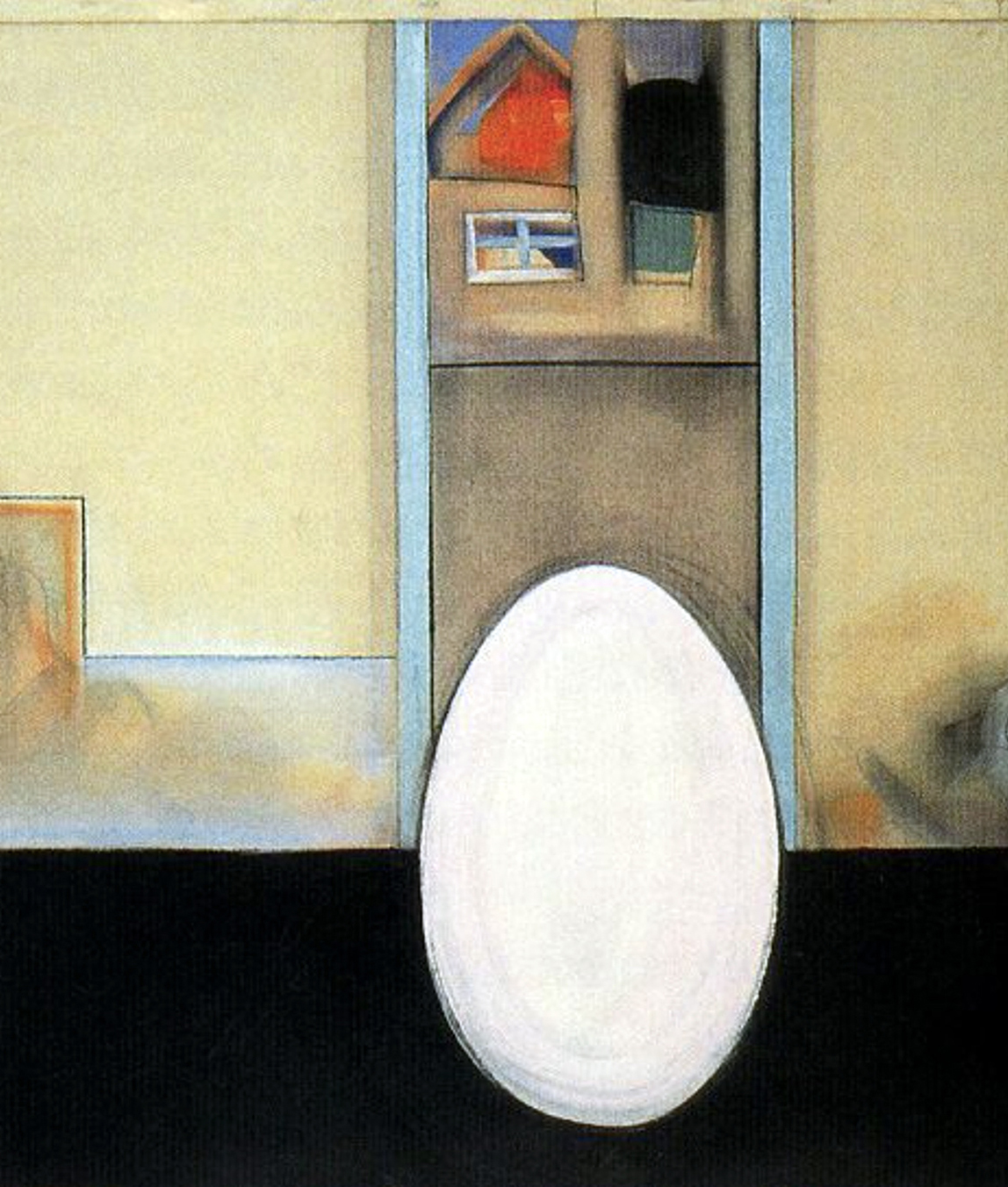
Miriam Schapiro: Feminism in pieces
Inspired by the Women’s Movement, Miriam Schapiro invented “femmage”—an unexpected combination of paint and fabric that tells the intimate stories of women.
-

Thiebaud’s love affair with paint
Wayne Thiebaud painted cakes and freeways—two risky subjects because the art world takes itself very seriously. “There’s room for wit,” he said. “Humor gives us a sense of perspective.”
-

Giotto reads the room
Step inside the 700-year-old Arena Chapel, where Giotto sparked the Renaissance with frescoes full of blue skies and complex human emotions.
-

Jean Dubuffet’s stranger things
After WWII, Dubuffet mixed paint with whatever he could scrounge up: string, gravel, shards of glass. “Art should make us laugh a little and fear a little,” he said.
-
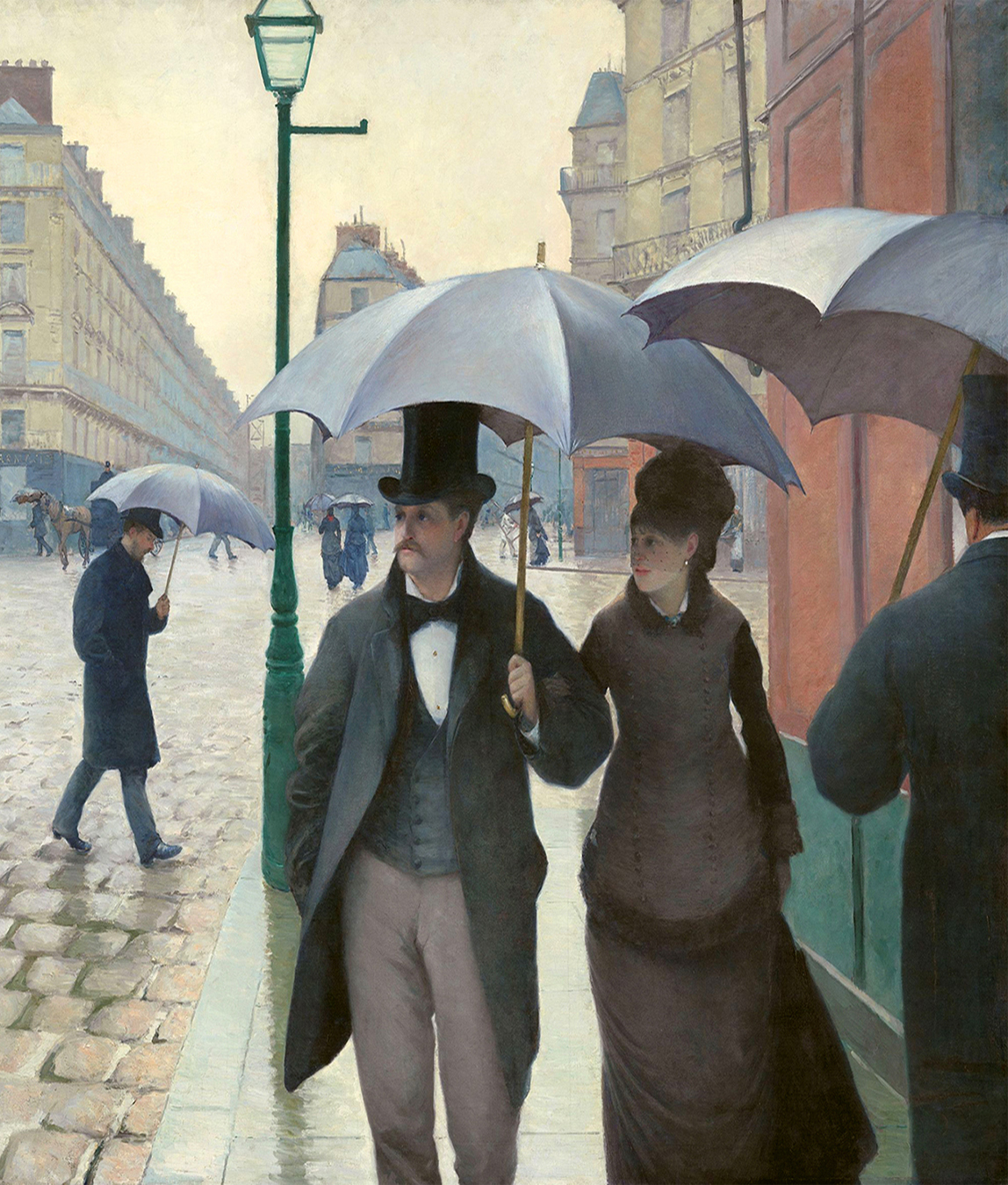
How Caillebotte saved Impressionism
The Impressionists were struggling to sell their paintings, and Pissarro was fed up with Monet and Renoir. He was ready to quit the group when a mysterious letter arrived.
-
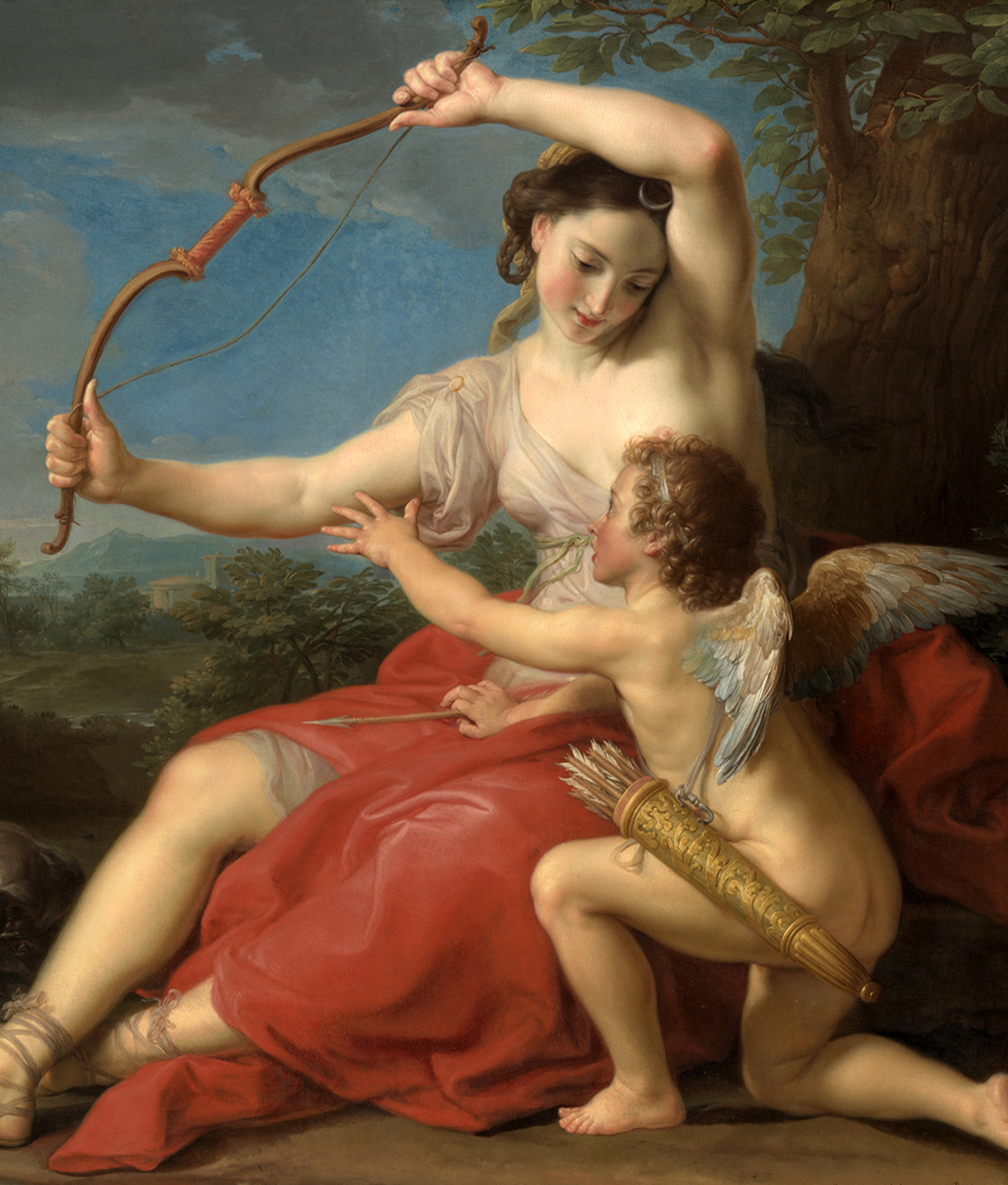
Cupid in art: He’s not that innocent
In Ancient Rome, sexual desire was viewed as a natural yet volatile part of daily life. See how Cupid embodies this tension in classical mythology and Old Master paintings.
-

Why look at paintings of Saint Joseph
Many young men today feel detached from traditional role models. Could a first-century father figure connect with Gen Z? Joseph of Nazareth might surprise you.
-

Artist Betye Saar tells ghost stories
One of the first artists to confront the chasm between the colonizer and the colonized, Saar created haunting works that seduce us into thinking deeply about race.